Customs Backlog Impacts Exports as New China Trade Deal Bogs Down Manual Paperwork
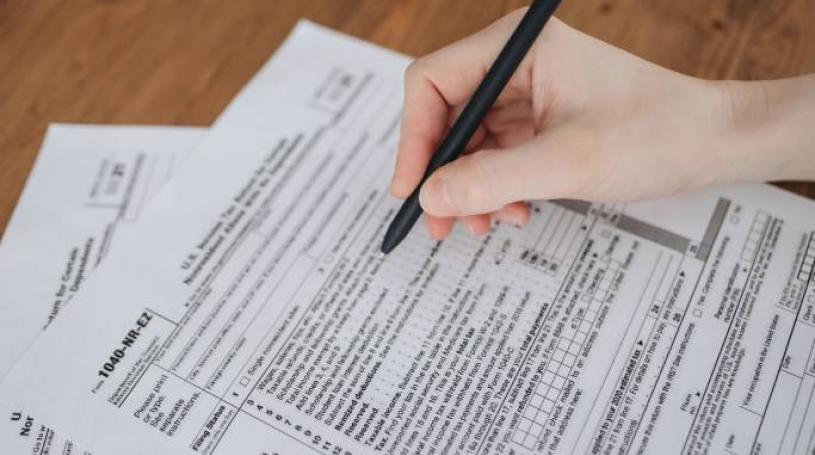
A surge in customs applications has caused a paperwork bottleneck that is delaying exports and frustrating business stakeholders.
The bottleneck appears to be related to the newly introduced zero-tariff China-South Africa bilateral trade deal, with customs now battling to cope with the required documentation.
Preferential certificates of origin are still processed manually and have not been digitised, unlike non-preferential certificates issued by chambers of commerce, including the Cape Chamber.
The backlog prompted concern at the most recent Cape Town Port Liaison Forum, where stakeholders spoke of turnaround times of around five days.
"Customs have had to deal with this [the new zero-tariff China deal] as a brand new thing—they've never had it before," said one PLF freight forwarding stakeholder. "They [customs] have done pretty well under the circumstances. Yes, of course there are delays, but they are not of their own making. The agreement is only in place for two years, and SARS isn't going to spend a fortune trying to make an electronic process just for that period. I think we are just going to have to live with it week by week."
However, the bottleneck has already negatively impacted trade flows, according to international trade specialist Linda Bird-Duxbury from International Trade and Chamber Consultants (ITCC). She says multiple clients have reported delays, in some cases causing severe financial losses. Two recent examples involved agricultural produce, and another involved machinery.
One of her clients had lost a valuable consignment of perishable produce, and another was currently at risk of having their goods destroyed. "The dtic, and other agencies such as Wesgro, are funding export development, only to have exporters lose market share due to delays in the issuance of COOs," Bird-Duxbury said.