
Fuel Crisis: price pressure creating supply challenges
Elevated fuel prices continue to send shock waves and supply concerns through the local economy due to the ongoing Middle East crisis.
Concerns are amplified by South Africa’s heavy reliance on fuel imports, a key factor in the International Monetary Fund’s decision this week to slash South Africa’s economic growth projection to 1% (down from 1,4%). The IMF expects the Middle East conflict to exact a heavy toll on many oil-importing countries.
Business stakeholders across multiple sectors this week voiced concern about the fuel price shock, with additional surcharges causing balance sheet pain and supply constraints in some areas.
“Currently supplies are coming, but at the higher price and the “surcharge” that equals the governments relief of R3/l on the fuel levy,” said one Cape Town businessman.
Emergency surcharges are being levied in multiple sectors, according to a report this week in BusinessTech. The levies are reportedly required to cope with the rising fuel costs. “Rest assured that these levies are not permanent fixtures, and should tensions in global supply normalise, and subsequent prices return to normal levels, the levies would be removed with immediate effect,” said one business notice quoted by BusinessTech.
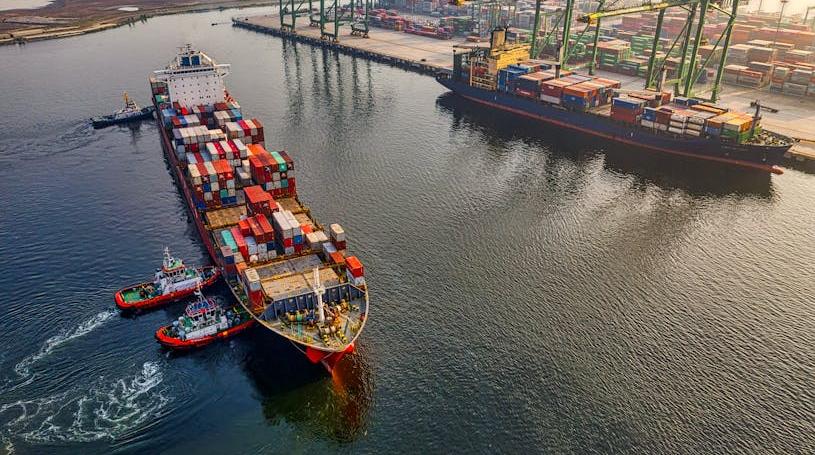
Maritime stakeholders are particularly hard-hit by the fuel price surge, with prices (of marine gasoil) currently up 300% according to one well-placed shipping source. “Huge challenges with fuel supply,” the source said. “The price was around R17 in early March, and now in the R50s. The big guys are prioritising their contracted clients in the shipping world. So we are working very closely with our oil major clients.”
Responding to queries, Agri Western Cape said diesel supply had mostly returned to normal, although there were still “some individual cases where supply does not yet meet the demand”.
“AgriSA, together with Agbiz, are working on proposals and suggestions regarding the fuel price system,” Agri Western Cape said.
The rising price of fertilizer, particularly products affected by the closure of the Strait of Hormuz, is an additional concern: “In agriculture, especially cereal/grain producers, fertilizer make up between 37% and 50% of input costs. So, increases in these inputs are concerning.
“Organized agriculture is also working on maintaining and bettering relations with all players in the value chain, to ensure transparency of information to end users and producers.
For the general public, inflation (of all kinds) is at risk. Higher transport costs to move products will filter down to the consumer price.”
“Shortages are unlikely, although important staple foods like rice and wheat are imported and increase should occur. Export producers are negatively impacted, because transport from our boarders to the end destination is the producers' cost (part of freight, insurance and rail cost),” Agri Western Cape said.
On the plus side, supply appears to have improved relative to last month when some suppliers had to warn customers of possible supply constraints. One notice seen by the Cape Chamber warned customers that it was “unable to guarantee when orders will be delivered.”