
Western Cape economy braces for Middle East conflict fallout
Western Cape exporters and agricultural producers are already feeling the weight of logistical disruptions and rising input costs arising from the unfolding crisis in the Middle East.
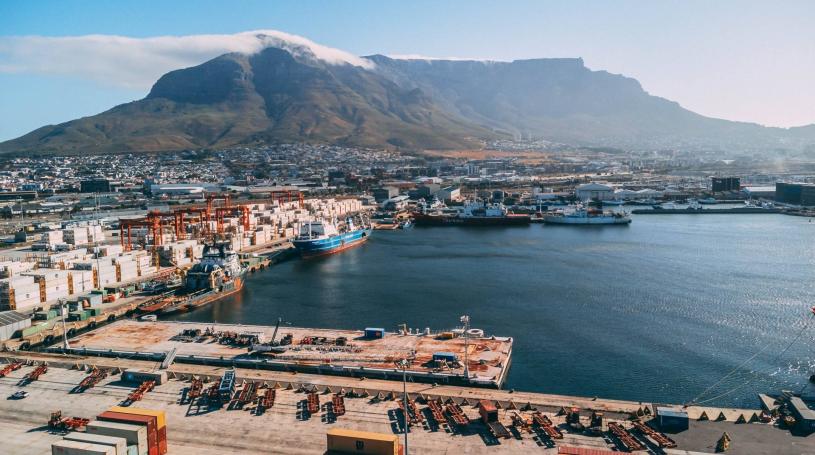
The Cape Chamber can confirm ongoing cargo disruptions at Cape Town Port, with some Cape Town shipments to or transiting the Middle East on hold until further notice. On Wednesday a major international shipping line issued instructions to Cape Town shipping agents to remove and unpack their containers already packed for export at the Cape Town Container Terminal.
Agri Western Cape says the timing of the conflict is particularly precarious for an agricultural sector currently on the brink of its main grain planting season, and now faced with a spike in diesel and fertilizer costs—two non-negotiable inputs.
Exporters Western Cape says the current conflict has already had knock-on effects on freight costs, fuel prices and supply chains.
The Middle East – and the UAE in particular – is a growth market for Western Cape fruit, EWC notes. “The immediate challenge now facing exporters is what happens to containers that are already on the water or in transit to these markets,” comments EWC chairperson Terry Gale who is calling for close engagement between government and industry to mitigate potential negative impacts.
The tourism sector faces both potential negative and positive impacts, according to Lesego Majatladi, Vice Chairperson of the Tourism and Hospitality Portfolio. He says disrupted routes may cause travellers to reconsider long-haul trips, particularly as Dubai serves as a global interchange.
"However, the Western Cape may also benefit from being viewed as a stable and safe destination," Majatladi adds. The challenge for the region will be to strengthen its global positioning as a secure alternative amidst the global travel interchange uncertainty.
Vanessa Davidson, Vice Chairperson of the Oceans Economy Portfolio, highlights that the risk is no longer theoretical. "One marine manufacturing company has already cancelled attendance at the Korean International Boat Show due to airspace closures," she reports.
Major shipping lines, including Maersk and Hapag-Lloyd,have structurally rerouted vessels around the Cape of Good Hope to avoid the escalating conflict in the Middle East and the closure of the Strait of Hormuz. This shift has resulted in a 112% surge in Cape diversions as of early March 2026, adding roughly 10–14 days to transit times and significantly increasing fuel and insurance costs for global trade.
The Cape Chamber will continue to closely monitor the escalating economic impact as events unfold. ENDS
Jacques Moolman: Cape Chamber of Commerce and Industry President